
Author: Alex Publish Time: 2025-11-26 Origin: Alex


Sugarcane pulp tableware exemplifies "waste-to-worth" innovation. In regions like Yunnan, China—a major sugar-producing area—40+ million tons of sugarcane residue annually are repurposed instead of burned . Through advanced pulping and molding technologies, companies like Lüsaike New Materials transform this residue into sturdy, heat-resistant utensils that decompose within 90 days in composting conditions . This process not only reduces agricultural waste but also cuts CO₂ emissions by displacing plastic production.
Key Advantages:
Biodegradability: Breaks down naturally, unlike plastic alternatives .
Economic Boost: Adds value to waste—sugarcane pulp’s worth jumps from $300/ton to $2,000–$10,000/ton when crafted into tableware .
Consumer Appeal: Meets rising demand for non-toxic, renewable products in food service .
The global market for sugarcane pulp tableware is expanding rapidly, driven by regulatory shifts and consumer consciousness. According to YH Research, the industry’s growth will accelerate through 2030, with commercial applications (e.g., hotels, airlines) and household use as key segments .
International Endorsement:
European & U.S. Demand: Over 95% of products from Chinese manufacturers like Lüsaike are exported to Germany, Italy, and the U.S. . Orders often sell out months in advance, reflecting robust demand .
Policy Tailwinds: Initiatives like the UN’s COP30 climate agreements emphasize circular economies and trade policies favoring sustainable goods . This aligns with sugarcane tableware’s low-carbon lifecycle.

Recent international developments underscore the urgency of eco-friendly transitions. At COP30 and G20 summits, global South nations championed climate justice and inclusive growth—principles embodied by sugarcane tableware’s supply chain . By adopting these products, businesses support:
UN Sustainable Development Goals (SDGs): Affordable clean energy (SDG 7), responsible consumption (SDG 12), and climate action (SDG 13).
Ethical Sourcing: Smallholder farmers benefit from waste upcycling, fostering rural employment .
Leverage digital marketing to reach eco-conscious consumers and B2B clients:
Keywords: Target terms like “biodegradable tableware,” “sugarcane pulp plates,” and “compostable food containers” .
Ad Content: Highlight certifications (e.g., compostability standards), export success stories, and carbon footprint reduction .
Landing Pages: Showcase product durability, customization options, and compliance with international regulations (e.g., EU Green Deal).
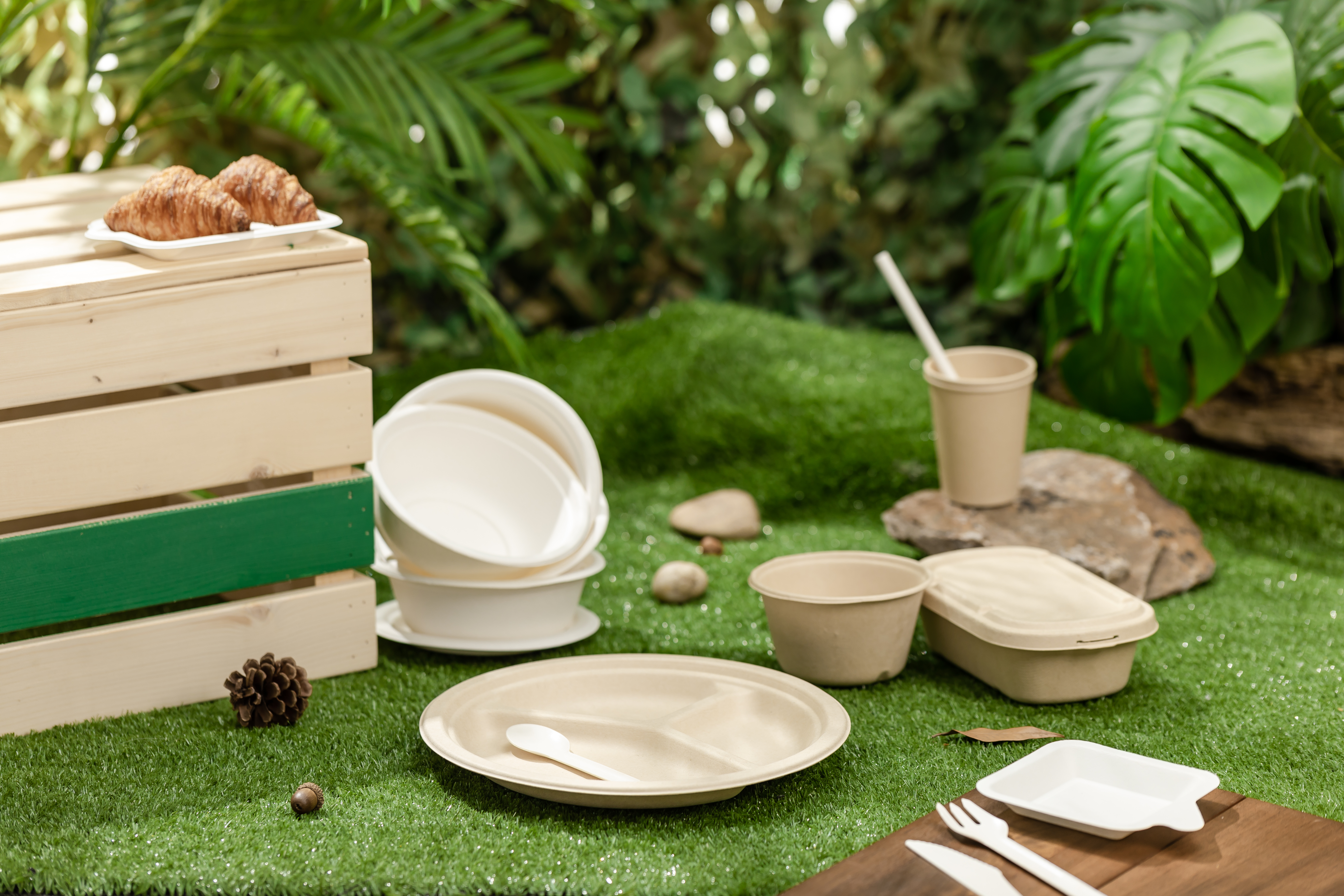
Sugarcane tableware isn’t just an alternative; it’s a symbol of a world prioritizing planet over convenience. As global governance shifts toward multilateral cooperation—evidenced by COP30’s landmark agreements—businesses that embrace sustainability will lead the next era of commerce


